
Dorsal hump
Reduction is checked against the guide so the bridge matches the patient’s 3D simulated nose.

For the rhinoplasty surgeon
3D-printed, patient-matched nasal guides bridge the gap between what the patient expects and the result on the table.
What it gives you
The surgeon works to the 3D simulation. Dorsal hump, deviation, and tip are each checked against the guide.
Reduction is checked against the guide so the bridge matches the patient’s 3D simulated nose.
Realignment follows the specifications of the simulated nose.
Tip corrections stay close to the aesthetic plan agreed with the patient.
Scan, simulation, guide, and outcome stay on the same record.
Already in use: 250+ patients operated with Orthonose guides. CE-marked patient-specific device.
The treatment path
The face is scanned in 3D at the consultation. The nose is reshaped to the surgeon’s instructions. Once the simulation is agreed, the guide is built.
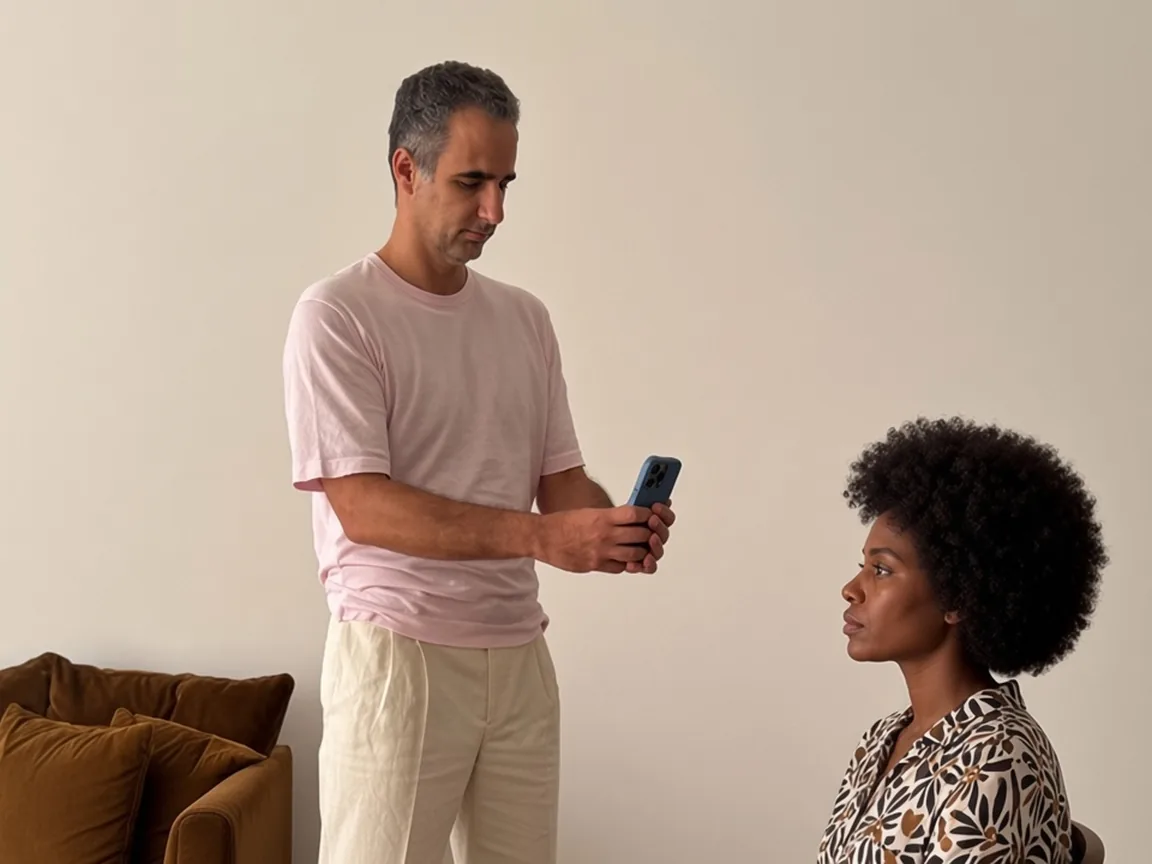
Guided multi-photo capture – or Vectra import – into a sub-millimeter map.
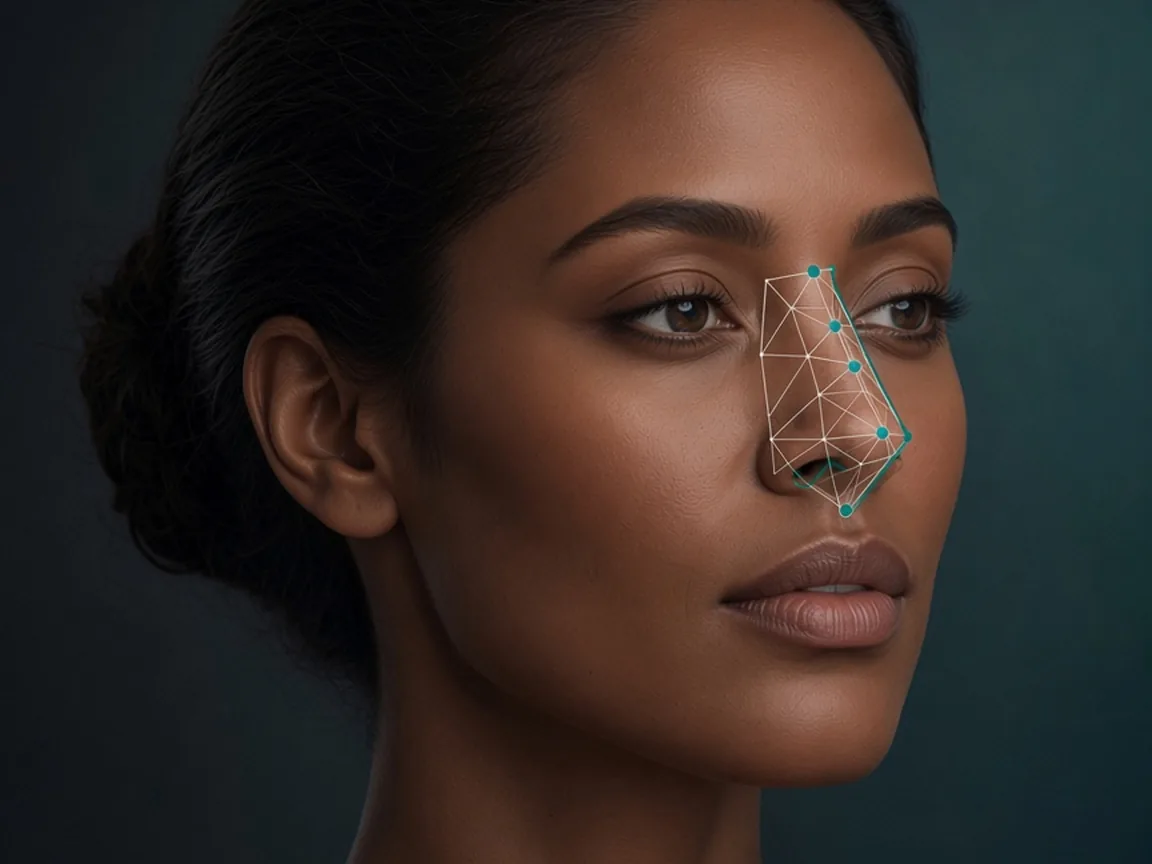
Reshape the nose on the model and agree the post-surgical look before the guide is built.
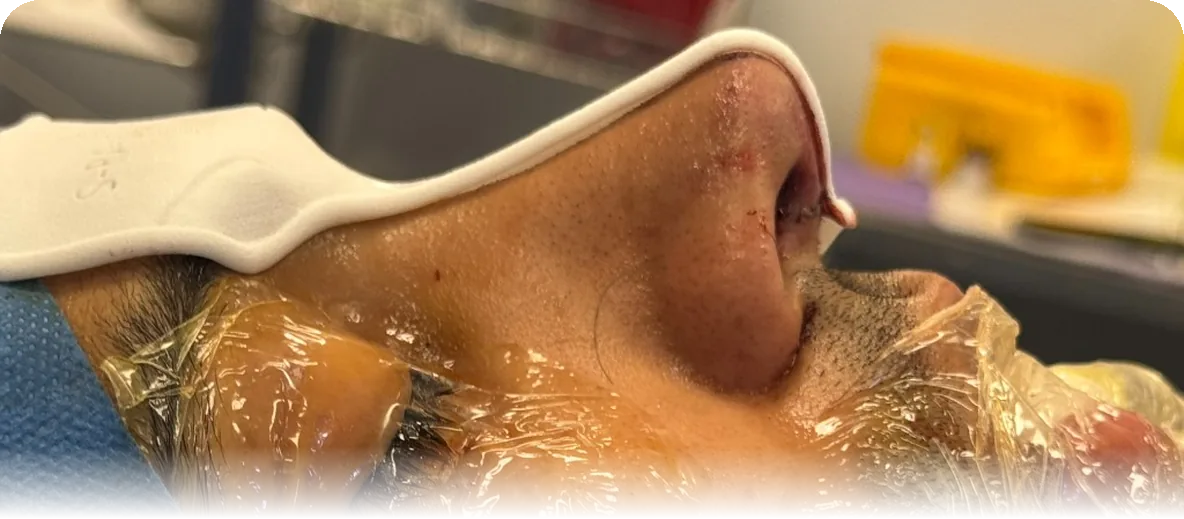
A patient-matched guide, so the nose can be checked against the agreed shape.

In theatre the guide takes the guesswork out of matching the agreed shape.
Path B · Surgery
Developed with rhinoplasty surgeons, after eight years of research in laboratories in France. The guide stays with the case through the operation, so the result stays close to what was agreed.
Operated with patient-matched Orthonose guides – produced to order in France.
First paying clients: practising surgeons, billed for commercial use, not a pilot or a grant.
CE Class I and IIa in Europe; ANSM declaration filed. Patient-specific.
Forehead and nasal segments register to the anatomy you scanned.
Lattice openings leave the dorsum accessible while the reference stays in place.
The physical shape is the locked proposal the patient signed off.
Close the loop
Before, during and after live on one case file – labelled outcomes a consumer selfie cannot produce.

Locked plan on the surgeon platform – assessment, proposal and order.
Surgical path: the printed guide in theatre, tied to that plan ID.
Outcome back on the record. Baseline vs result is measurable.
Getting started
We work with the practice to set up planning, the first printed guide, and the right path for each patient.
List prices excl. VAT. Interceptive splints and surgical guides are separate orders on the same platform.
For parents
A custom orthosis, worn at night, guides the nose while it is still growing.
For parentsQuestions
A surgical guide is the reference the surgeon checks the nose against during the operation, so the result stays close to the agreed 3D plan. Orthonose is that platform: scan, shared plan, then a patient-matched guide or night-worn interceptive care. CE Class I and IIa in Europe; ANSM declaration filed. Patient-specific.
A platform seat for planning, a printed guide per surgical case, or a monthly interceptive plan. The surgeon keeps the procedure fee.
CE Class I and IIa in Europe; ANSM declaration filed. Patient-specific.
Talk to the founders
Reach the team at Contact to start capture training and your first printed case.
See the parent view